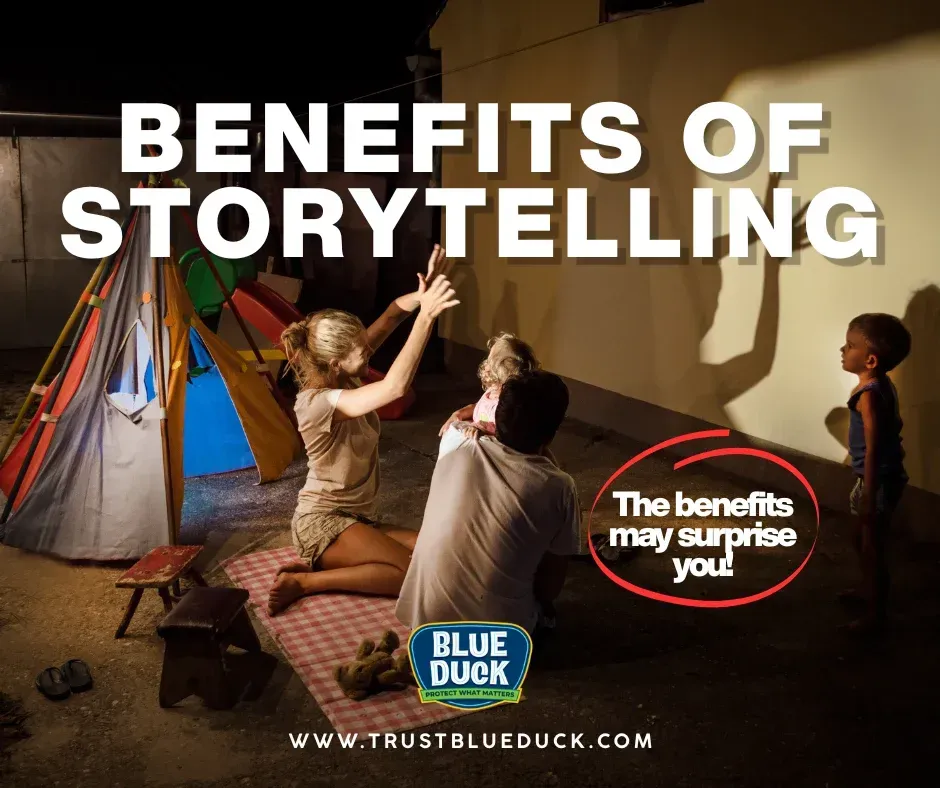
Benefits of Storytelling to Children Every Parent Should Know
The day has been long. You're exhausted, and skipping the story seems tempting. But then your child appears with hopeful eyes, and you pull them close and begin. Something shifts. Your heart slows. Their body relaxes. The chaotic day melts away. That feeling isn't just precious. It's powerful. The benefits of storytelling to children extend far beyond vocabulary, touching emotional, social, and relational development in ways that last a lifetime.
Building Vocabulary Naturally
Children absorb words like sponges when stories surround them. Picture books contain rare vocabulary rarely used in conversation. "Enormous" instead of "big." "Furious" instead of "mad." These richer words become part of your child's language without drills. Consequently, regular storytelling builds larger vocabularies, an advantage that compounds yearly.
Wiring Brains for Focus
Screens offer constant stimulation changes every few seconds. Stories demand sustained attention to follow a narrative. Regular storytelling strengthens concentration pathways, teaching young brains to sit with a single tale. This focus transfers to classroom listening and homework completion. You're not just telling a story. You're training attention spans.
Growing Empathy
When children enter story worlds, they practice walking in someone else's shoes. How does the lost puppy feel? What should the lonely bear do? These questions build theory of mind, the ability to understand others' feelings. Research links storytelling with higher emotional intelligence. Stories become empathy gyms for friendships and kind leadership.
Strengthening Your Bond
Cuddling during a story creates focused one on one time without distractions. Your child smells you, hears your voice, feels your heartbeat. This closeness releases oxytocin, the bonding hormone, for both of you. Older children who push away hugs will still sit close for a tale. Storytelling becomes a connection bridge when other doors close.
Establishing Bedtime Routines
Bath, teeth, story, bed. The storytelling segment winds down active days. Children who hear stories before bed fall asleep faster. Additionally, this routine travels anywhere, hotels, grandparent houses, anywhere with a story offers the same comfort.
Answering Big Questions
Why is the sky blue? What happens when someone dies? Stories help navigate these conversations. A well chosen tale offers age appropriate language and emotional distance. The story becomes a third party, making hard talks easier for everyone.
Creating Rituals That Stick
Long after picture books, children remember storytelling with you. The voices you did. The pauses for guessing. Your lap as their favorite seat. These memories become comfort they carry into adulthood. Many adults credit their love of reading entirely to a parent who made time for stories despite exhaustion.
It's Never Too Late
Start tonight anyway. Older children still benefit from hearing stories, or telling their own while you listen. Shared storytelling never loses its power. The benefits of storytelling to children begin the moment you speak the first words. No previous experience required.
The Simple Truth
Put down your phone. Pull your child close. Tell a story, any story. Your voice, their imagination, and a narrative. That's the entire formula. Not expensive programs or educational toys. Just presence, words, and time. The benefits of storytelling to children unfold in ordinary moments, the ones that feel too small to matter. But they matter enormously. And tonight, you can start again.
